

Blog / Safety

Blog

All Safety Specials Information Dealership Maintenance Service Specials Life Hack Pre-Owned How To Toyota News Travel News New Model DIY Holiday List Music Toyota Charity Activities Humor
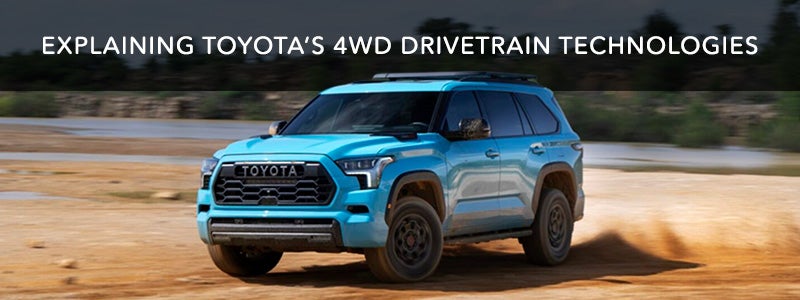
Toyota 4WD

Toyota 4WD, Explained for Drivers Who Actually Want to Understand It

If you’ve ever researched a Toyota truck or SUV, you’ve probably seen the words part-time 4WD, full-time 4WD, 4HI, 4LO, and wondered whether they actually matter for how you drive. The short answer is yes, and Toyota’s approach to four-wheel drive is a big reason their vehicles have a reputation for confidence in bad weather, on rough roads, and far beyond the pavement. This is mechanical logic built for real-world conditions. Why Toyota Starts With Rear-Wheel Drive Most body-on-frame Toyota trucks and SUVs begin in rear-wheel drive during everyday driving. On dry pavement, this layout delivers smooth power delivery, predictable handling, and better efficiency. When conditions turn slippery, an electronically controlled limited-slip differential can step in to manage traction by redirecting power when a wheel begins to slip. That setup works well until the terrain asks for more grip than two wheels can provide. Snow-covered roads, muddy trails, steep grades, and uneven surfaces all demand a different solution. How Toyota Part-Time 4WD Works When Conditions Get Rough Toyota’s part-time 4WD systems are designed for drivers who want control without unnecessary complexity. When activated, power is sent to all four wheels through a transfer case that locks the front and rear axles together. This creates equal rotation front to back, which dramatically improves traction on loose or slippery surfaces. Drivers can choose between 4HI and 4LO depending on the situation. Four-high is ideal for snow, dirt, or mud at moderate speeds, while four-low multiplies torque for low-speed situations like rock crawling, steep climbs, or controlled descents. In four-low, systems like Active Traction Control and available locking rear differentials further manage wheel slip by sending power where it’s most effective. Because the axles are locked together, part-time 4WD is meant for low-traction environments rather than dry pavement, where tight turns can cause binding. Why Toyota Full-Time 4WD Feels Different on the Road Full-time 4WD takes the same core capability and adds everyday convenience. Instead of locking the axles together, Toyota uses a torque-sensing center differential that continuously distributes power while still allowing the wheels to rotate independently. The system automatically adapts to traction changes between the front and rear, which keeps handling smooth even on high-grip surfaces. This setup allows drivers to leave four-wheel drive engaged without worrying about binding, making it especially appealing for mixed conditions where weather and road surfaces change throughout the drive. The locking function within the center differential adds confidence when conditions loosen up, combining control with ease of use. Why Toyota 4WD Earns Its Reputation Toyota didn’t build its four-wheel drive systems to impress on paper. They were engineered to function predictably, respond quickly, and stay durable over years of use. Whether you’re navigating winter roads, hauling gear, towing, or exploring terrain that doesn’t show up on maps, the drivetrain is designed to support the driver rather than demand constant attention. That balance of mechanical strength and intelligent design is what makes Toyota trucks and SUVs feel capable without feeling complicated. Experience Toyota 4WD at Fiore Toyota At Fiore Toyota, we work with drivers who want to understand what they’re buying and why it works the way it does. If you’re researching Toyota 4WD systems because capability actually matters to you, our team can walk you through the differences and help you choose the setup that fits how you drive, where you go, and what you expect from your vehicle. Visit Fiore Toyota to explore Toyota’s 4WD lineup in person and see how engineering decisions translate into confidence behind the wheel.
ToyotaCare

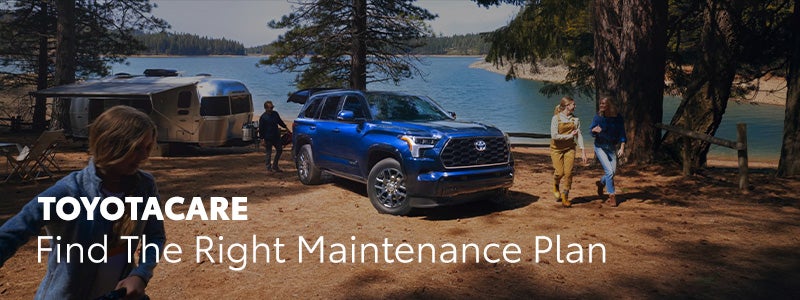
ToyotaCare: Because Peace of Mind Should Come Standard

At Fiore Toyota in Hollidaysburg, we believe the best kind of vehicle care is the kind you don’t have to stress about. That’s where ToyotaCare comes in—a complimentary maintenance plan and 24/7 roadside assistance program that starts the moment you drive off our lot. Whether you're commuting through Altoona, road-tripping across Pennsylvania, or running errands on South Logan Boulevard, ToyotaCare is here to make ownership easier from day one. What Is ToyotaCare? ToyotaCare is more than just a perk—it’s a promise. With every new Toyota comes 2 years or 25,000 miles of factory-scheduled maintenance at no extra cost. That includes oil changes, tire rotations, fluid top-offs, and multi-point inspections—all performed by factory-trained technicians using genuine Toyota parts. The only thing you need to do? Schedule and show up. And if the unexpected happens? ToyotaCare also includes 24-hour roadside assistance for those surprise moments: a flat tire on Route 22, a dead battery at a trailhead, or even just running out of gas during a late-night drive. Looking for Longer Coverage? We’ve got you. If you love your Toyota and want more of that worry-free maintenance, ToyotaCare Plus extends your coverage to up to 5 years or 75,000 miles. Perfect for those who plan to keep their vehicle longer or hit the road more often. And for current Toyota owners, ToyotaCare Plus Service Drive offers extended protection for vehicles already in use— up to 4 years or 45,000 miles from your car’s first date of service. If you’re driving the all-electric Toyota bZ4X, your ToyotaCare benefits go even further. Every new bZ4X comes with the standard ToyotaCare no-cost maintenance plan —covering factory-scheduled service for 2 years or 25,000 miles —plus an extended 3 years of 24-hour Roadside Assistance with no mileage limit. As electric vehicles continue to evolve, Toyota ensures that your ownership experience remains seamless and worry-free—especially when it comes to maintenance and unexpected roadside needs. Own an Older Toyota? You Still Have Options. If your Toyota’s been around the block a few times, Toyota Service Care has you covered with 2 years of prepaid maintenance and unlimited mileage —including roadside assistance. It’s coverage you can purchase, renew, and count on, no matter how many miles of memories you’ve made. Why Choose Fiore Toyota? Here at Fiore Toyota in Hollidaysburg, PA, we’re about taking care of you and your Toyota long after the keys are in your hand. Our certified service team knows your vehicle inside and out, and our location makes it convenient for drivers from Duncansville, Altoona, and beyond to keep their vehicles in top shape. Peace of mind isn’t optional—it’s included. Explore your ToyotaCare options or schedule your next maintenance visit today at Fiore Toyota. Because when you’re part of the Toyota family, care comes standard.

BLOG_HEADER_4

Travel With Confidence With These Car Seat Tips From Fiore Toyota | Hollidaysburg, PA

As a parent, your number one job is to keep your children safe. As your local vehicle provider, Fiore Toyota’s number one job is to keep you and your family safe while you’re on the road. And, while Toyota is always engineering new and different ways to keep you safe, we want to give you your own way of keeping your precious cargo safe. This week we are bringing you a list of car seat tips that you should know and begin practicing so your child is secure when you travel! Fiore Toyota’s Car Seat Tips: Pick the correct seat for your child’s age, height, and weight. Install the seat correctly by reading the owner’s manual for your vehicle AND the car seat. If you’re unsure if the seat has been installed properly, seek professional help. You should always choose a 5-point harness and it should be tight enough where you can slide one finger through. The chest clip should be even with your child’s armpits and any accessories that are not certified for car seat use should not be used. Facing backward is the safest option for your child until they have reached a certain age or weight limit. Your doctor can give further instruction on when it is safe for your child to face forward. Don’t rush to get rid of the booster seat. Children are safest in these even if it seems they are big enough to ride without one. Always choose a booster seat with a back for further protection. Never skip the car seat to save time. Your child’s safety is a top priority. Always be sure to strap them in to ensure that they are safe even if you are traveling a minute down the road. Children 13 and under should be safely buckled up in the back seat, no exceptions. Be an example, always wear your seatbelt. Children watch what your habits are and will pick them up. If you are consistent with wearing your seatbelt, they will realize it is an important part of riding in the vehicle!

BLOG_HEADER_3

Stay Safe On The Roads During The Solar Eclipse With These Tips! | Hollidaysburg, PA

As many are aware, this coming Monday, April 8th, will mark a significant celestial event: a total solar eclipse across parts of Mexico and North America. NASA estimates that approximately 31.6 million individuals reside within the eclipse's direct path, with millions more located within a two-hour drive. During the 2017 solar eclipse, an estimated 5 million people ventured to witness this astronomical marvel, leading to extensive traffic delays lasting several hours on select routes. To assist in your eclipse-viewing plans, NASA has unveiled an Eclipse Explorer Map detailing the anticipated trajectory of the total solar eclipse. This resource helps you identify prime viewing locations and areas to potentially avoid traveling through. Whether you're gearing up for a journey to witness the eclipse firsthand or are concerned about potential traffic jams, Fiore Toyota is here to provide some safety tips for navigating the roads. Prepare for Traffic: If you're headed towards a major city within the eclipse's path, brace yourself for potential traffic congestion. Given the rarity of such a significant eclipse, throngs of people of all ages and driving abilities are expected to hit the road. Ensure your vehicle is fueled up beforehand, pack essential supplies like water and snacks, and mentally prepare for extended periods of bumper-to-bumper traffic. Beware of Observers: With everyone vying for the best view, some may resort to positioning themselves in precarious spots along the road, even in the midst of traffic lanes. Children, in particular, may become engrossed in the spectacle and neglect road safety. Additionally, fellow drivers might be distracted by the event. Stay vigilant and focused on the road to avoid potential accidents. Stay Focused: If you're driving during the solar eclipse and unable to find a safe spot to pull over for viewing, resist the temptation to divide your attention between the road and the sky. Missing the eclipse isn't the end of the world, as NASA will provide stunning high-resolution images for viewing later. Your safety and that of others on the road should always take precedence. Protect Your Eyes: Ensure you have proper eye protection for directly viewing the eclipse. While driving, you won't need this, so your regular sunglasses suffice. However, if you plan on gazing directly at the sun during the eclipse, be sure to have suitable eye protection to safeguard your vision. The Eclipse is estimated to pass over Pennsylvania in stages from 2:00 pm to around 4:30 pm! The Fiore Toyota team hopes some of these tips have helped you prepare for Monday! Stay safe out on the roads and enjoy this exciting phenomenon with family and friends!

BLOG_HEADER_5

How To Travel Safely With Your Pet! | Hollidaysburg, PA

If you’re looking forward to some real fun in the sun then you’re probably packing up all of your gear, gassing up your car, and preparing to bring your dog along! Traveling with your furry friend can be a great experience, but it's important to ensure their safety while on the road. So, Fiore Toyota has put together some of our tips for traveling safely with your dog! Check those out below and be sure to take on your adventures with your furry friends with confidence that you’ll both get there safely! Fiore Toyota’s Doggy Travel Tips: Use a restraint: Whether it's a crate, seatbelt, or harness, a restraint will prevent your dog from roaming around the car and distracting the driver. Keep them hydrated: Make sure your dog has plenty of water and take frequent breaks for them to stretch their legs and go potty. Don't let them stick their head out the window: While it may look cute, allowing your dog to stick their head out the window can lead to eye injuries or ear infections. Pack their essentials: Bring along food, treats, a leash, waste bags, and any medication your dog may need. Check your destination's pet policy: If you're staying at a hotel or rental property, make sure they allow pets and what their specific policies are.

BLOG_HEADER_4

How Drivers Can Share The Road Safely With Motorcyclists | Hollidaysburg, PA

Can you believe some of the weather we’ve been having lately? Nice sunny days that aren’t too hot! Days like this make everyone want to hit the road for a little adventure! And that means more traffic and unfortunately more threats to drivers road safety! Motorcyclists are among the most vulnerable road users due to their lack of protection and visibility. As a driver, it's crucial to be aware of motorcyclists and take extra precautions to keep them safe. Here are some tips for drivers to keep motorcyclists safe on the roads: Check your blind spots: Before changing lanes or turning, always check your blind spots to ensure there are no motorcyclists in your path. Avoid distractions: Avoid using your phone, eating, or engaging in other distractions while driving, as they can cause you to miss important details, such as a motorcyclist approaching. Anticipate their movements: Motorcycles are more agile than cars and can change direction quickly. As a driver, be prepared for sudden movements and adjust your speed and position accordingly. Use your signals: Use your turn signals and brake lights to indicate your intentions to motorcyclists, allowing them to react and adjust their position on the road. Respect their right-of-way: Motorcyclists have the same rights on the road as all other vehicles, but less protection. Be sure to respect their right-of-way for their safety and yours.

BLOG_HEADER_2

Fiore Toyota’s List Of 5 Things You Need To Know When Having Your Car Towed | Hollidaysburg, PA

When your car battery dies in a parking lot, or a scary indicator lights up on your dash making you pull over, or, worst of all, you’ve been in an accident and your vehicle is undrivable; who ya gonna call? A Tow Truck! But, we know calling for a tow can be scary and stressful. So, to help you feel a bit more prepared, Fiore Toyota came up with a list of what you’ll have to know when having your car towed! Have you recently bought, or are planning to buy a new Toyota with the help of the Fiore Toyota team? Then you may be eligible to sign up for our Toyotacare or Toyotacare Plus. Our plans offer 24 hour roadside assistance, free routine maintenance, as well as a myriad of other services. If you’d like to learn more about either of these plans, feel free to contact us. Not a Toyota driver? Schedule a test-drive today and let us change that for you! What You Need To Know When Having Your Car Towed: Get yourself and your vehicle to safety. Hopefully you’ll be in a safe, well-lit parking lot when you need a tow. But, if you happen to need a tow from a more dangerous spot, be sure to do what you can to get your car off the road and put out any indicators you may have (cones, flags, flares) to alert other drivers of the situation. Gather any documents or other information you might need. To make things go as quickly and smoothly as possible, gather all necessary documents (license, registration, proof of insurance, roadside assistance program membership card, ect.) so you can present them if required. Make the call. Call the nearest Tow Truck service or contact your automaker, auto insurance, or roadside assistance program if enrolled in any of the above. Be as specific as possible when relaying your car’s location. Wait in your vehicle if possible. If your vehicle is in a safe position, we suggest you wait for your tow from inside your car. Depending on your location, the weather, or any other number of factors it may be a while until your tow arrives. Be ready to go for the tow. Hopefully you’ll have gathered all necessary documentation by now and will have it ready to present when the tow truck pulls up. You’ll have to sign some paperwork, but then the tow truck should load your car up and be on its way to a service center! Our team at Fiore Toyota hopes you found our tips helpful!

BLOG_HEADER_3

Winter Driving Tips For Toyota Drivers | Hollidaysburg, PA

It’s a snowy one out there, and your friends here at Fiore Toyota want to help make sure that if you have to hit the road, you do so safely! You might be used to winter roads, but that doesn’t make it any easier to get from point A to point B once the snow has fallen. We want to suggest staying off the roads and avoiding travel, but we do understand that isn’t always possible. So, we invite all drivers to take a peek below at our tips and tricks for driving in the snow, everyday driving, and long-distance driving. It never hurts to refresh yourself on best practices to ensure a safer trip! And, if you were planning on stopping into Fiore Toyota to shop for a new Toyota, don’t stress! Head over to our website to shop, value your trade-in, get pre-approved, and build your deal, all from the comfort of your own home with Fiore Direct Buy! Have any questions or concerns? Contact us today! Tips For Driving In The Snow: Accelerate and decelerate slowly. Applying the gas slowly to accelerate is the best method for gaining traction and avoiding skids. Drive slowly. Everything takes longer on snow-covered roads. Accelerating, stopping, turning – nothing happens as quickly as on dry pavement. Give yourself time to maneuver by driving slowly. The normal dry pavement following distance of three to four seconds should be increased to eight to ten seconds Know your brakes. Whether you have antilock brakes or not, the best way to stop is threshold braking. Don’t stop if you can avoid it. Don’t stop going up a hill. There’s nothing worse than trying to get moving up a hill on an icy road. Make it know what kind of driving assistance you have (AAA, Roadside Assistance, etc.) Everyday Driving Tips: Avoid driving while you’re fatigued. Never warm up a vehicle in an enclosed area, such as a garage. Make certain your tires are properly inflated. Keep your gas tank at least half full to avoid gas line freeze-up. If possible, avoid using your parking brake in cold, rainy, and snowy weather. Do not use cruise control when driving on any slippery surface (wet, ice, sand). Always look and steer where you want to go. Use your seat belt every time you get into your vehicle. Long-Distance Driving Tips: Watch Weather Reports Service your vehicle before hitting the road Keep at least half a tank at all times If you become snow-bound, stay with your vehicle. It provides temporary shelter and makes it easier for rescuers to locate you. Tie a brightly colored cloth to the antenna or place a cloth at the top of a rolled-up window to signal distress, if needed. Make sure the exhaust pipe isn’t clogged with snow, ice, or mud if you slide off the road Shop From Home!

Got Tire Pressure? Here’s Why You Should Be Checking!

The weather has been a little crazy here in PA and that means your vehicle is enduring a lot of stress thanks to the ever-changing conditions and dropping temperatures. One thing we know a lot of people overlook is your Tire’s PSI. And no, not just one tire, all four need to be checked especially in the winter months. Below, we have listed out a few of the top reasons why you should be checking up on your tires. So check it out below and be sure to stop in to fill up your tires or perhaps swap out the old for a brand new pair of tires! Why You Should Be Checking Your PSI: Proper PSI will help optimize performance and your vehicle's fuel efficiency. This is especially useful if you tend to run your A/C or heat for long periods of time and increasing gas prices). Avoid sidewall flexing and tire squirm when properly inflated. Avoid potential dangers like collisions, blowouts, heat build-up, and potential rolling hazards. Correct PSI improves durability and performance designed to match the specific needs of your vehicle. PSI stabilizes the tire’s structure, blends responsiveness, traction, and handling. Extreme temperatures and driving conditions will affect your tire’s PSI. Underinflated tires can wear prematurely due to being soft and unable to maintain their proper shape. Overinflated tires can wear unevenly due to being rigid and hard. It can also lead to a tire blowout. If your vehicle has been sitting for a long period of time, chances are the PSI is incorrect and you will need to fill up the tires. Vehicles that sit without being used have a tendency to have under-inflated tires. Your tires will last longer and the tread won’t wear out as easily if your tires are always properly inflated to the correct PSI. Let Our Team Take Care Of Your Tires!

Nip Road Rage In The Bud

One of the things that is pretty much a guarantee when it comes to driving is that you’ll encounter at least one other person who’s experiencing road rage or is a little more on edge than a person who is driving a 2,000-pound bullet should be. It’s just a fact of life! But there are a lot of ways that you can avoid falling victim to anger on your commute, also known as road rage. Check them out! First off, always plan for delays on your commute when you leave your house in the morning, or when leaving work if you have plans after hours. No matter what, there’s always the chance of traffic, and being late makes everyone a little edgier. Eliminate that stress and plan for a longer trip - and surprise yourself when you’re early to wherever you’re headed! If someone is tailgating you on the road, then don’t let them get to you. Let them get past you! As soon as it’s safe to do so, let whoever’s been riding your rear bumper like there’s no tomorrow pass your vehicle. Wave them on if they need encouragement, but don’t play games. When it comes to manners, lay off the horn. Not only does honking at other people a lot make them upset, but it subconsciously makes you upset as well! And when you’re upset, you drive like a maniac. That’s just a fact. If you do get worked up a little and start feeling agitated, take deep breaths and listen to soothing music or talk radio quietly to calm you down. It really works! Always focus on being safe while you’re on the road. When you are thinking about driving safely and not paying all of your attention to your music, your passengers, or anything else that is not actively related to your operation of the vehicle, you drive more safely. The last thing is that if you do come across someone who is road raging hard, then let them get past you as soon as you can do so safely. They are dangerous when they are angry in this manner, so just let them go be dangerous somewhere else. Don’t make eye contact, don’t gesture, just let them pass you. Staying Safe Is Easy In A Toyota

Construction Zone Safety Tips For Everyone

Do you know how to drive safely in a construction zone? Check out our tips on how to get through those cones and trucks safely and efficiently! Always expect the unexpected. From different speed limits to having people on the road and lanes closed, work zones are where the drive becomes unpredictable. Pay attention to the signs on the road. They’ll tell you that a work zone is coming up and also tell you what the speed limit is, in addition to many other things. Slow down to read them and then stay slow through the construction. Pay attention to people with flags. If you ignore a flagger, you’ll get a ticket. If you know a lane is going to be closed ahead, merge as soon as you see the sign. Don’t try and speed past other drivers before merging. If you’re safe you won’t end your trip early by getting into an accident. Slow down as soon as you see a sign that says to do that. If you’re going 60 mph, you’re traveling about 88 feet every second. If you see a sign that says there’s road work in 1500 feet, you’ll be there in roughly 17 seconds. Don’t tailgate in a work zone. This is to supplement the idea that you should never tailgate, to begin with. Stay in the center of the lane. This way you minimize potential damage to barriers, cones, and workers. Even if it looks like there’s no work going on, you’re not out of the work zone until you see a sign that says so. Keep obeying the posted speed limit and other signs until you know you’re in the clear. Stay Safe In A New Toyota

Driving After Dark: Tips And Tricks

Driving in the dark is something that a lot of us really don’t look forward to doing. Especially if our night vision is failing us, driving at night can not only be an inconvenience, but a dangerous venture. If driving at night is unavoidable, however, here are some tips and tricks for driving at night that’ll keep you safe as well as the other drivers on the road. First, if you’ve ever bought “night driving glasses” that are tinted and marketed as aids for driving at night… well. Throw those right out, because the most they’re doing is impairing your vision even further. You need as much light to reach your eyes as possible, because when it’s dark, you can’t see! Light is the magic ingredient to seeing things better, even at night. The only glasses you should be wearing while driving at night are your regular prescription eyeglasses. If you have problems with the headlights of approaching cars, especially when you’re on a two-lane road, a good trick is to watch the white line on the side of the road as the oncoming car passes you. This will help make sure that you stay in your lane and not burn your retinas with the bright light of the oncoming car, especially if the driver has forgotten to turn off their high beams. Speaking of high beams, you should use yours whenever you can. If there is a car in front of you, either on your side of the road or on the opposite side, you shouldn’t have them on… but if you’re alone on the road, high beams are your friends any time of year. Just make sure that you turn them off if you encounter another car on the road! Finally, if you truly cannot drive at night, arrange a ride for yourself if you know you’ll be out of the house past sunset. If that fails, public transportation or a taxi are good choices. Otherwise, plan your schedule so that you will not be in danger of having to drive at night, or have a friend with you who can drive if they need to. We hope these tips help you! If you are more of a video person, check out this one about driving safely after dark. https://www.youtube.com/watch?v=6WbYpgn6T4c Specials? What A Bright Idea!

Contact Us

Fill out this form below and we'll contact you shortly
*Required Fields