



Blog / DIY

Fiore Toyota’s Guide To Checking Your Coolant Levels | Hollidaysburg, PA

BLOG_HEADER_1

Things are heating up this summer and that means your vehicle is working extra hard to get you where you want to be. Now, when temperatures start to rise it’s important to treat your vehicle right by checking your engine’s coolant. But, there are a few important things we need to know before just popping open the hood and taking a look. First things first, your vehicle’s radiator works to cool your engine and needs water and coolant aka antifreeze in order to function. If your coolant isn’t at proper levels you could end up stranded on the side of the road due to your engine overheating! So, make sure your coolant level is ready for the summer heat! And, if you are worried about checking your level yourself, schedule your service appointment at Fiore Toyota today!

Fiore Toyota’s Guide To Checking Your Coolant Levels:

  • Rather than opening up the cap of your reservoir, most tanks are clear and will allow you to be able to see where your coolant levels are. Your coolant should always be at the “full” line. If it’s not, pop open the cap and fill up with a 50/50 mix of water and coolant. Most auto stores sell this premixed for convenience.
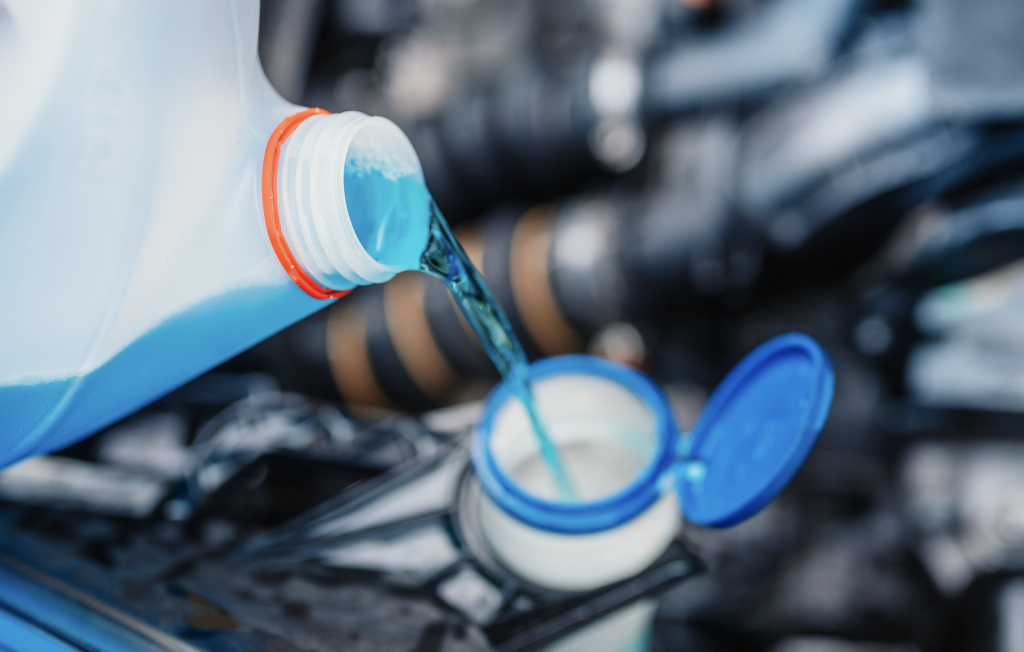
  • Coolants can vary in colors. Some of the most popular are red, green, blue and yellow. So, if your coolant looks colorless, rusty or has particles floating around - it’s time to flush it all out and fill up with fresh coolant! 
  • If your coolant has a sludgy, oily surface, it’s important to bring your vehicle into our service department as soon as possible. This could be an internal head gasket leak and you’ll want this fixed right away.
  • While you’re working on your radiator, be sure to spend a few minutes checking the hoses. These are the big hoses that go into the top of your radiator and exit the bottom. If these look cracked, bulgy or are extremely squishy, it’s time to replace them!
  • WARNING! Do NOT work on a hot engine. Allow your vehicle ample time to cool off. And NEVER open your coolant reservoir before your vehicle has cooled. Coolant can be ejected from the reservoir and could burn you or others standing nearby. Also, only in emergencies should you add only water to your reservoir.

Posted in:

Related Posts

Spring Cleaning Turned Summer

Spring has sprung and summer is just right around the corner. And maybe you skipped that spring cleaning you planned for your vehicle. That’s alright - we’re here with some tips to clean your vehicle and get you in tip-top shape for the upcoming summer heat! Start off your cleaning with a clean slate and wash your vehicle! Don’t let all that built up dirt, grime, and pollen affect you any longer. Stop at the carwash or give your vehicle a scrub a dub at home! Either way, show your vehicle some TLC and get it sparkling like new again! Empty out your vehicle! Trash or recycle the items that you no longer use or never needed in the first place. Don’t forget about your trunk - your trunk can become a place for unnecessary items to pile up. Once your vehicle is empty, vacuum out your trunk, seats, carpet, and mats. Wash, wash, wash - give your carpets and upholstery a scrub down. For your seats, use a microfiber cloth and the correct cleaning solutions to get rid of any stains or built up dirt. Do the same if you have carpet floor mats. If you have all-weather mats, you can spray them off with the hose and scrub with car soap. Air vents need love too - take your vacuum to all of your air vents to rid them of any loose dirt particles that have built up. Once you are done, wipe your vents with a wet cloth to get any remaining particles. Check your tire pressure! When you are cleaning out your vehicle it is always a good idea to check the tire pressure in all four tires. If your tires need some air, our service department can assist you with that. Or you could also stop at your local gas station to fill up the tires! Lastly, add an air freshener! Get your car smelling cleaning like a fresh summer breeze with one or a few of these handy little things! New Toyota’s Are Not Dirty

Easy Car Emergency Kit DIY

When you’re on the road, there’s always the chance that you might have an emergency. That’s just the nature of life, but it gets a little more complicated when you’re in the car. If something happens at home, you’re home! You’ve got all your supplies and the amenities you need to be able to handle anything. And it’s definitely harder to have an accident when you’re at home. When you’re in the car, things change. You don’t have those amenities and comforts, and your emergency could be more severe on the road than at home. That’s why you always need to have an emergency kit in the car with you! Our suggestion is that you pick some of the most important things on this list if you’re pressed for space, or take them all if you have the room, and put these items into a kit that is easily accessible and lives permanently in your vehicle. It’s always important to be prepared, and so do a monthly check of the kit and make sure everything is still current (i.e. not expired) and that you have enough of everything to handle an emergency, should one happen. Fingers crossed you have smooth sailing wherever you go, but here’s our list of suggestions! First Aid kit. Some of the items to include are: Band-Aids Hand sanitizer. Antiseptic. Antibiotic ointment. Bug spray. Aspirin (or similar). Cotton balls. Gauze pads. Tweezers. Bandana. Ace bandage. Fire extinguisher. Choose a small one that is easy to store. Road flares (if not already in your tire-changing tools). Jumper cables. Rain Ponchos. Tarp. Flashlight and extra batteries. Rags. Duct tape Scent-free baby wipes. Drinking water and non-perishable snacks. Multipurpose tool. Stay Safer Than Ever In A New Toyota For Less

Fall Garage Organization Tips

When it comes to organization, we all think of spring, right? It’s time to introduce a new concept - fall organization! Especially fall garage organization. If you’re lucky enough to have a garage, you’ve probably been using it all summer to store things like outdoor items, kids’ toys, and a bunch of other junk. But you’re going to want to keep your car in the garage during the winter, right? And if your garage is totally full of stuff, you can’t put your car in it. So, here are my tips for organizing your garage in preparation for the cooler days ahead! First, take your car out of your garage (though if you can fit it in, you’re already several steps ahead). Then, take everything out of your garage that is just lying on the floor and put it in your yard or driveway. If you have broken stuff, junk, or just plain old garbage, chuck it to the curb! Now that you’ve weeded out the trash, look at what else you have. Check out your storage in the garage - it might be time for a makeover! If you have shelves in your garage, go through them. Consolidate, throw out the trash, dispose of old materials like paint safely, and see what you’ve got. If you don’t have shelves but have room for some, go pick some up! A handy way of organizing what you have is with hooks (in addition, of course, to the aforementioned shelves). You can hang almost anything from hooks - chairs, bicycles, hoses… you name it, you can probably hang it from a hook. Everything else should fit nicely on your shelves! If you have larger items that just can’t go one of those places, clear out a specific space for it. Next, sweep that floor. Who knows how long it has been collecting dust, dirt, and little bits of things. Sweep it all out the door and start fresh! If you have a shop vac, you can really get into the crevices. The final step is to put everything back, but using the shelves and hooks you (hopefully) have or installed. And voilà! A clean, organized garage that you can park in with ease. If you have questions about car care in the colder temperatures that I mentioned above, come to Fiore Toyota and ask our professionals how best to take care of your vehicle. Maybe it’s all-season tires, maybe it’s a fresh wax and wash before the first snow. Whatever it is, they can help! Check Out Our Fall Specials!